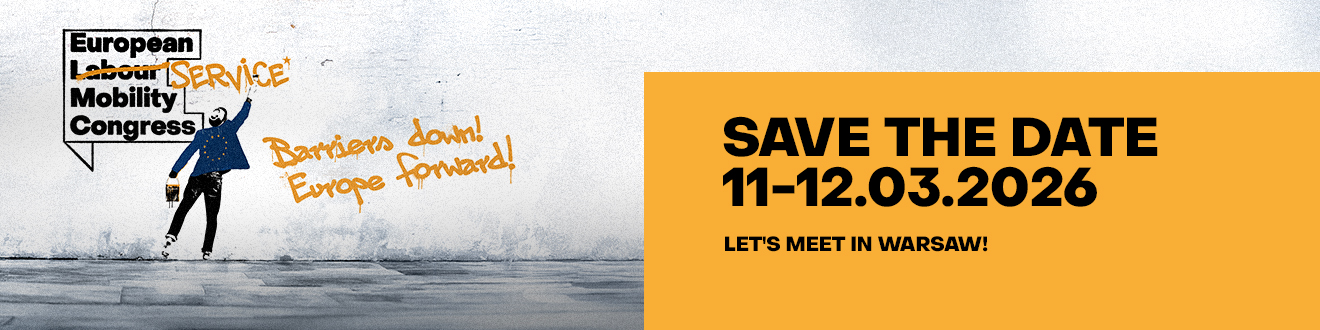
The European Labour Mobility Congress (ELMC) will take place on 11–12 March 2026 in Warsaw, at the Crowne Plaza Hotel and will mark the ninth edition of this unique event.
Since 2013, the Congress has been the most important European forum dedicated to the competitiveness of the European Union’s Single Market, freedom to provide services and modern labour mobility.
Year after year, it has continued to attract a wide audience – policymakers, business leaders, academics and social partners – not only from Poland and the European Union, but also from further Europe and beyond.
Mission and Objectives of ELMC 2026
The ninth edition of the Congress will be held under the slogan
“Barriers down,
-> Europe forward“.
During the Congress:
MobileCARE and Social-related Topics
A special place in the programme will be dedicated to live-in care and to the conclusion of the EU project MobileCARE, co-created by partners from Poland, Germany, Italy, Spain, Malta, Lithuania and Serbia.
The outcome of joint research and social dialogue is the report “European Social Dialogue to Promote the Application of the Best Practices of the Intra-EU Labour Mobility”, which is set to be officially presented at the Congress.
Event Format
The Congress will last for two days:
Both days will also provide extensive opportunities for networking and international exchange of experiences.
Languages of the Congress
The official languages of the Congress are Polish and English. Sessions related to the MobileCare project will additionally be interpreted into German, Italian and Spanish, enabling active participation from partners across Europe.
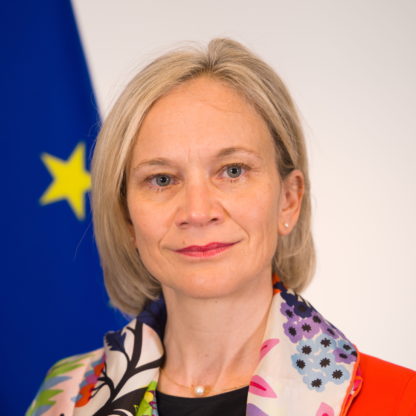

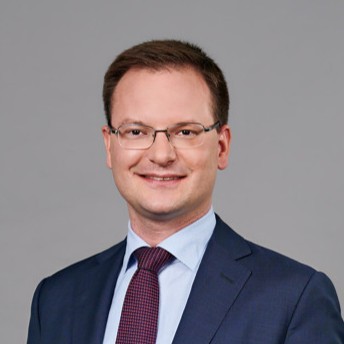
Director for Single Market, Enforcement and Barrier Removal at DG GROW, European Commission
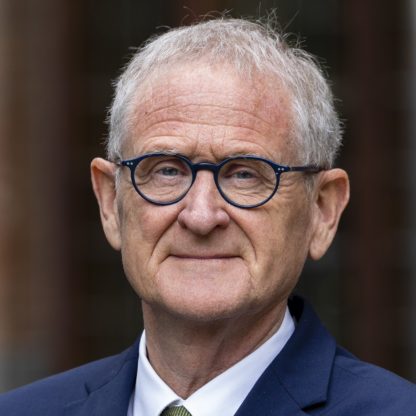
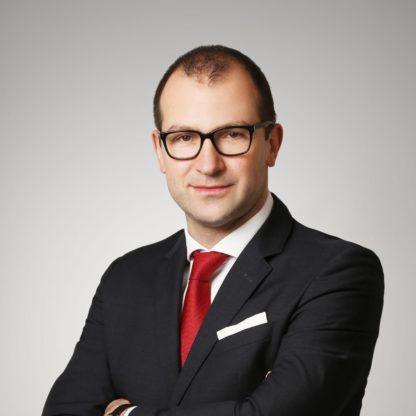
Professor of International and European Social Law at the University of Antwerp

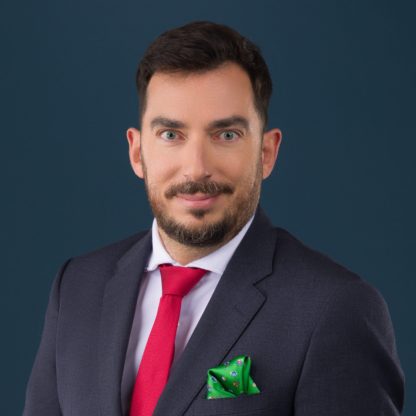
Founder & CEO, COUNT’em Group AI-driven Employment Compliance & Payroll Transformation

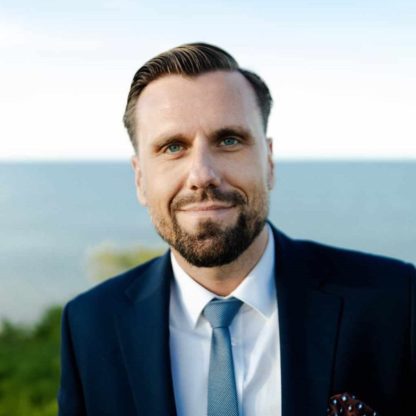
Permanent Researcher in labour law at the French National Centre for Scientific Research (CNRS) and affiliated to the DRES research unit of the University of Strasbourg

Director, Benefits and International Social Insurance Department Social Insurance Institution (ZUS)
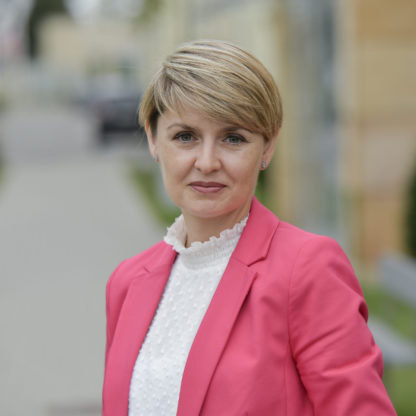
Associate Professor, Faculty of Economics & Management Opole University of Technology
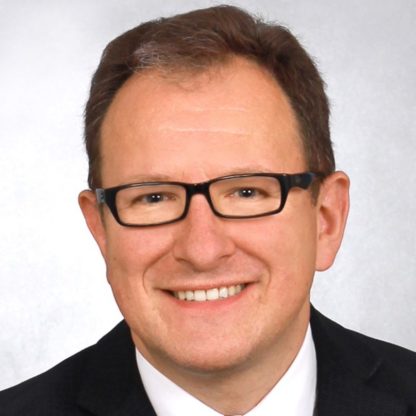
Associate Professor at the Department of Labor Law and Social Security Law, Faculty of Law and Administration, Adam Mickiewicz University in Poznań, "Take Good Care Session" Speaker
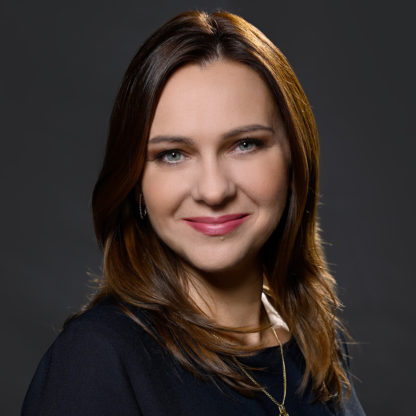
Partner responsible for providing immigration services in Poland and other CEE countries at Vialto Partners
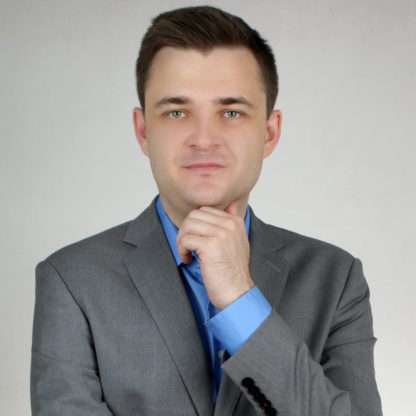
Assistant professor | Researcher Migration Studies | Social Policies | University of Warsaw
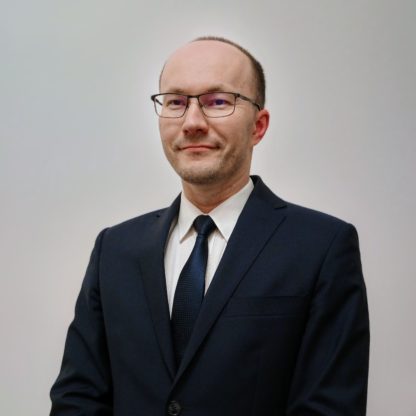
Senior Labour Inspector – Principal Specialist at the Polish Labour Inspectorate.

Head of Unit | Applicable Legislation Department of International Benefits and Social Security Coordination ZUS – Polish Social Insurance Institution
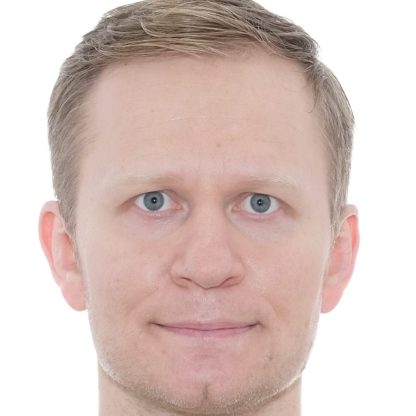
Senior Specialist Department of International Benefits and Social Security Coordination ZUS – Polish Social Insurance Institution
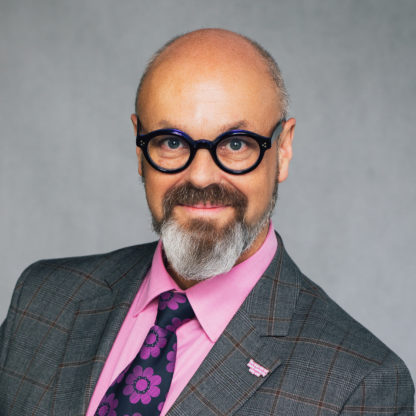
Lawyer, Doctor of Economic Sciences, Vice President of the European Labour Mobility Institute

Legal scholar and legal advisor of European Labour Mobility Institute, currently serving as an assistant professor at the Department of Public Economic Law and Labor Law at the Cracow University of Economics
The European Labour Mobility Congress 2026 will take place at Crowne Plaza Warsaw – The HUB, a modern conference hotel located in the very heart of Warsaw’s business district, at Rondo Daszyńskiego.
Participants will have exclusive access to the entire conference floor, featuring a plenary hall for the main sessions, comfortable workshop rooms for smaller group discussions, and a dedicated networking area designed to encourage professional exchange. Catering will be conveniently provided close to all meeting spaces to ensure comfort throughout the event.
In the evening, participants will be invited to gather at The Roof, a panoramic space with stunning views of Warsaw – the perfect setting for informal conversations and continuing connections after the day’s sessions.
For registered attendees, the hotel has prepared a special accommodation offer, available upon completion of registration.
Located in a well-connected area of the city, Crowne Plaza offers easy access from Warsaw Chopin Airport, the Central Railway Station and other key points in the city. It provides a functional, comfortable and inspiring environment – an ideal setting for international dialogue and exchange during ELMC 2026.

ELMC Warm-up is a series of practical online workshops organised in the weeks preceding the European Labour Mobility Congress 2026. The series provides substantive background and in-depth discussion of key challenges related to the freedom to provide services within the EU.
The sessions focus on concrete regulatory and operational issues, with particular attention to:
posting of third-country nationals (TCN),
long-term posting scenarios,
national differences in enforcement practice,
administrative and regulatory barriers affecting cross-border service provision.
Within the ELMC Warm-up cycle, we address topics such as:
posting of workers to selected EU Member States,
posting of TCNs, including cases exceeding 90 days,
notification obligations and employment conditions,
inspections and practical enforcement challenges,
current administrative barriers impacting EU service providers.
participation is free of charge for registered ELMC 2026 participants,
paid registration is available for other interested participants.
📅 Information about the upcoming session is available below.
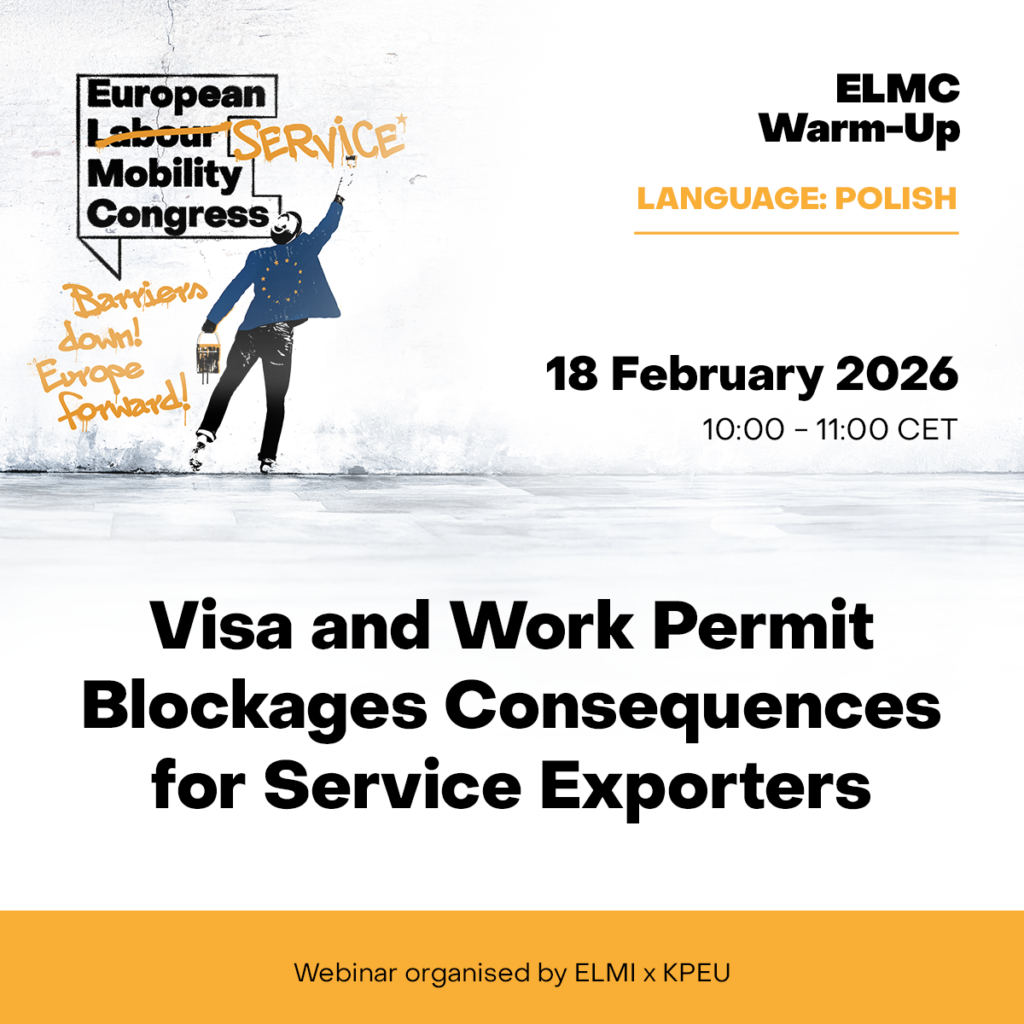
As part of the “ELMC 2026 Warm-up” series, the Coalition of Polish Service Exporters (KPEU) and the European Labour Mobility Institute (ELMI) are organising a webinar dedicated to the blockage of visa and work permit issuance for employees of companies exercising the freedom to provide services within the EU.
For Polish service exporters, this has resulted in the loss of up to 24% of their workforce — posing an existential risk. For the national economy, the potential loss amounts to up to PLN 32 billion annually.
18 February 2026 | 10:00–11:00 CET
online | language: Polish
During the webinar, we will discuss:
current administrative practice and its legal foundations,
practical consequences for service exporters,
Polish and EU regulations governing the posting of non-EU nationals,
possible short-term measures to mitigate the effects of the blockage.
This is one of the key themes of the European Labour Mobility Congress 2026 (11–12 March, Warsaw).
The debate begins online. We continue in Warsaw.
🎟 Participation
free of charge for registered ELMC 2026 participants
registration available for other interested participants – > REGISTRATION
From Simple Notification to Full Compliance
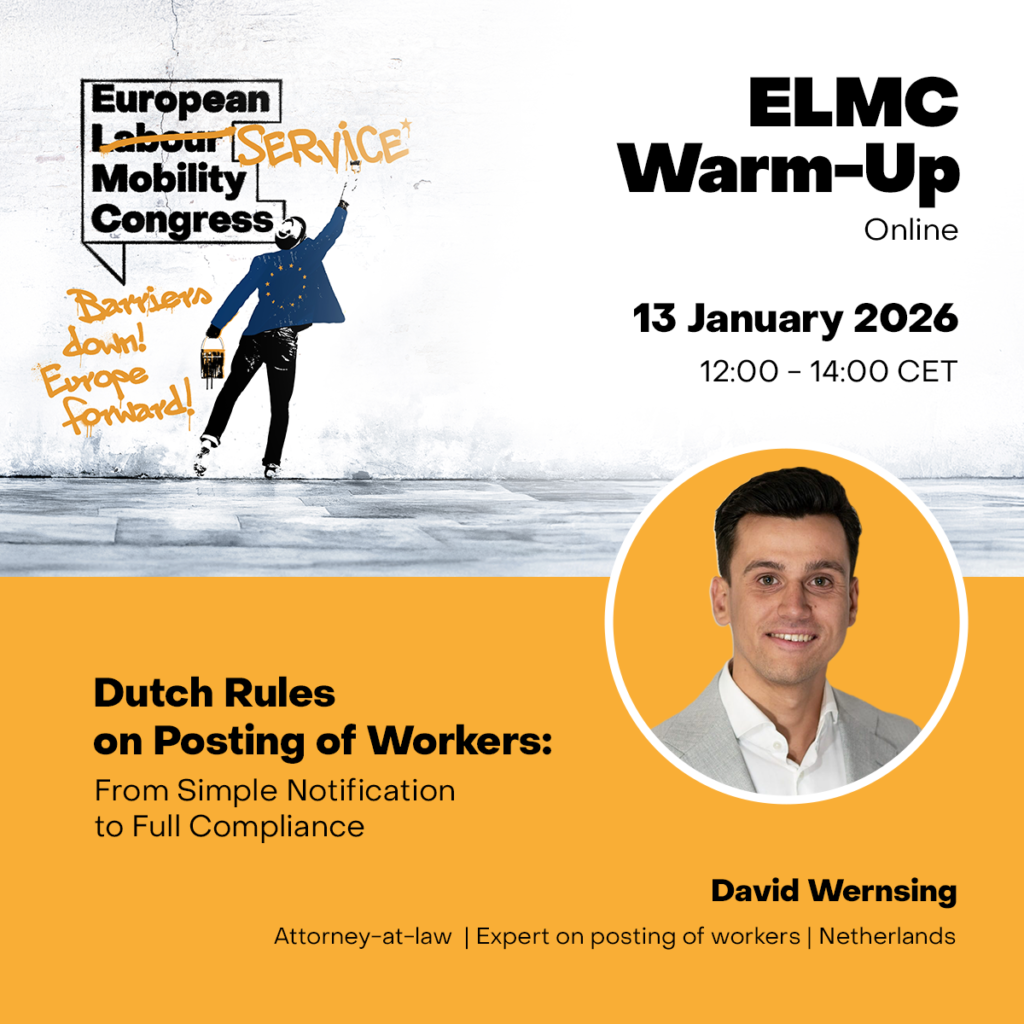
A practical workshop dedicated to posting workers to the Netherlands, covering notification obligations, employment conditions, posting of third-country nationals (TCNs), and enforcement practice.
Speaker:
David Wernsing – Attorney-at-law | Expert on posting of workers (Netherlands)
13 January 2026 | 12:00 CET
Online | English
David Wernsing
Attorney-at-law | Expert on posting of workers, The Netherlands
David Wernsing is a Dutch lawyer and a recognised expert in the field of posting of workers. He will also be a speaker at the European Labour Mobility Congress 2026.
The session is designed as a practical compliance guide and will cover, among others:
the general framework for posting workers to the Netherlands,
notification obligations and the Dutch notification portal,
employment conditions applicable to posted workers,
posting via temporary work agencies – current rules and upcoming changes,
posting of third-country nationals (TCNs), including the impact of the SN ruling,
enforcement practices of the Dutch Labour Authority,
common compliance challenges and practical pitfalls.
Q&A session.
9:00 – 10:00 – Registration, Welcome Coffee & Opening of the Expert Village
10:00 – 10:10 – Introduction by Zbigniew Bartuś
10:10 – 10:20 – Welcome & Opening Address by Stefan Schwarz – ELMI President
10:20 – 11:00 – Keynote presentation: New barriers for service providers posting workers between Poland and other Member States by Stefan Schwarz & Dr. Marcin Kiełbasa
11:00 – 11:30 – Plenary: The Single Market for Services: Promise and Political Reality Fireside chat with Mary-Veronica Tovšak-Pleterski (European Comission) hosted by Marek Benio [ELMI]
The opening session brings together EU officials and policymakers, including ministers responsible for entrepreneurship and the development of services, to set the framework for this year’s Congress. While labour mobility features prominently in the title of the event, this session deliberately focuses on mobility arising from the freedom to provide services — not from the free movement of workers as such.
Returning to the foundations of the internal market, the discussion highlights that posted workers are not the object of mobility policy but the carriers of services. Their cross-border movement is a direct consequence of services crossing internal EU borders. This form of labour mobility reflects both the freedom of service providers to access and serve clients in other Member States, and the right of customers to procure services anywhere within the Union.
The session also underscores the need to simplify internal procedures and reduce administrative burdens, ensuring that the Single Market remains competitive externally. By streamlining national practices while safeguarding worker protection, the EU can strengthen its service sectors and reinforce the internal market’s role as a driver of growth and innovation.
11:30- 12:00 – Coffee Break
12:00 – 12:15 – Keynote “Call for Infringements”
12:15 – 13:15 – Session I: Barriers down: how to free the freedom to provide services from barriers and regain competitiveness?
Speakers: Marcin Kiełbasa, Nadia Winiarska, Grzegorz Marciniszyn, Stefan Schwarz, Przemysław Schmidt
Europe is losing because of the barriers and obstacles it has created itself. According to the International Monetary Fund (IMF), the cost of barriers in services within the EU is equivalent to a 110% tariff. The bureaucracy related to the posting of workers alone costs European service providers EUR 635 million.
There will be no EU competitiveness and security without a single market for services. And there will be no single market for services without the possibility of posting workers free from administrative barriers and obstacles.
A radical change of policy is now a condition for Europe’s survival. How can we help our politicians and officials carry out that change? How can we stop the “killing of our businesses” described by Mario Draghi in his report? Why has Poland created a new barrier — in breach of the Treaty — against its own exporters of services? How can service exporters push back against the creation of further rules that sabotage their competitiveness?
13:15 – 14:15 – Lunch
14:15 – 14:30 – Keynote Speeh “More Statistics– Less Barriers”by Frederic de Wispelaere
14:30-15:45 – Session II: SERVICES ON THE MOVE across the EU Single Market
Speakers: Marta Zięba-Szklarska, Monika Fedorczuk, Agata Kostyk-Lewandowska, Andrzej Szybkie, Artur Beck
– relocation, transportation, filling the missing skills.
This session presents short case studies illustrating how sectors reliant on the posting of workers have evolved over time. Once associated primarily with labour-intensive models and compliance risks, these services have become increasingly professionalised, regulated and quality-driven. The cases to be presented highlight improved legal compliance, higher efficiency and rising service standards, particularly in knowledge-based activities, person-centred and sensitive services, and sectors where services play a critical role in sustaining EU production, trade and supply chains. Together, they offer a pragmatic counter-narrative grounded in practice rather than assumptions.
15:45 – 16:15 Coffee Break
16:15 – 16:30 – Keynote speech “Freedom to provide services and labour mobility: some legal issues” by prof.Herwig Verschueren
16:30 – 17:30 – Session III: Facts, Myths & Trade-offs in Intra-EU Service Provision
Speakers: Sabina Kubiciel–Lodzińska, Kamil Matuszczyk, Michał Kacprzyk, Marco Rocca
This session challenges comfortable narratives surrounding intra-EU service provision and labour mobility.
It confronts widely repeated claims with hard data, legal realities and inconvenient comparisons between Member States, asking what the evidence actually tells us about competition, wages and working conditions.
By exposing misconceptions, regulatory contradictions and policy taboos, the discussion explores the unavoidable trade-offs between
The debate asks whether current approaches genuinely protect the internal market — or quietly undermine it — and whether a fair and open European services market can be built without creating new internal barriers.
Illustrative trade-offs for debate (some raising serious questions under EU law):
A debate for those who prefer evidence over slogans.
17:30 – 17:45 – Closing fireside chat with ELMI
19:00 – Dinner & Mid-Congress Party
9:00 – 9:30 – Registration, Welcome Coffee & Opening of the Expert Villagehops
9:30 – 9:50 – Keynote speech “Posting vs. Mobile Work: Navigating the Rules on Coordination of Social Security Systems” by prof. Daniel Eryk Lach
9:50 – 11:00 – The Applicable Legislation – Q&A session with ZUS Social Insurance Institution
by Marta Pardyka, Krzysztof Delert-Urban, Tomasz Potaczała
11:00- 11:30 – Coffee Break
11:30 – 12:30 – Intra-EU Service Provision in Practice – National Updates and Takeaways
by Daria Matecka, Davide Vieni, Michał Szypniewski, David Wernsing
A fast-paced and engaging session combining legal updates with real-life practice.
Country experts will deliver short, sharp snapshots of what is really happening on the ground — highlighting surprising developments, regulatory twists and practical lessons for cross-border service provision in Europe.
12:30 – 13:30 – Lunch
13:30 – 14:25 – Practical parallel workshops (group sessions) vol 1
I – MOBILECARE
Policy recommendations and practical solutions for live-in care on the edge of the demographic shift.
No Staff, No Pay, No Way to Care!
by Leonor Tavares, Frederic Seebohm, Kendrik Bondin, Daiva Kvedraite, Ada Zaorska
II – Count, Don’t Guess – Calculating Employment Costs for Intra-EU Service Providers by Count’em & Marta Zięba-Szklarska
Before accepting a cross-border contract, ask yourself one question:
have you included all the costs?
Salary and social security contributions are only the beginning.
In cross-border service provision, margins are often determined by elements that are easiest to overlook — and these are precisely the mistakes that tend to be the most expensive.
During this workshop, we will analyse four key pillars of international employment:
• employment
• social security
• tax
• work authorisation & compliance
Participants will be invited to work through their own case and verify whether their calculations are complete and whether their operational assumptions reflect real regulatory obligations.
The workshop has a practical format and is designed for companies providing services in other EU Member States.
III – Posting of workers to The Netherlands by David Wernsing
During this workshop, we will discuss step by step what the posting of employees to the Netherlands looks like in practice – from the reporting obligation, through documentation requirements, to the real risks associated with inspections and employer liability as well as upcoming expected changes.
The topics that will be covered:
14:35 – 15:30 – Practical parallel workshops (group sessions) vol.2
I – Global work in CEE: employer responsibility for immigration, tax, operational compliance, and cost-effective workforce mobility by Vialto
The rapid development of remote work and cross-border mobility across the CEE region is creating new layers of legal, tax and social security risk for employers. As workforce models become more flexible, regulatory scrutiny is increasing — and employer responsibility is expanding accordingly.
This practical workshop will provide an up-to-date overview of key trends and challenges related to employing and relocating employees within Central and Eastern Europe. Particular focus will be placed on identifying financial and regulatory risks and building structured, compliant and cost-efficient mobility processes.
Key topics include:
1. Current trends in global work across CEE
2. Employing foreign nationals in CEE – risks and responsibilities
3. Cross-border and remote work in CEE – tax, social security and operational risks
4. Structuring mobility processes and managing costs
5. Case study and practical recommendations
II – Posting to Germany – Current Developments | Business Perspective by Marius Tollenaere
Germany remains one of the most significant destination markets for intra-EU service providers. At the same time, it is a jurisdiction characterised by intensive enforcement and a complex interaction between EU law and national regulatory frameworks.
This workshop provides an up-to-date overview of the legal and compliance environment governing the posting of workers to Germany. Particular attention will be given to enforcement practice under the German Posted Workers Act (AEntG), immigration requirements, and the broader regulatory landscape affecting cross-border service provision.
The session will also examine the practical boundaries of the EU freedom to provide services in Germany, including the European Commission’s critical perspective on the German Vander Elst practice. Specific focus will be placed on the posting of non-EU nationals and the structuring considerations necessary to ensure legal certainty and business continuity.
In addition, the workshop will address the labour market policy agenda of the new German federal government and its potential impact on cross-border workforce deployment.
Participants will gain practical insight into:
how German authorities assess cross-border service models,
how to structure postings in a legally robust and commercially viable manner,
how to manage immigration and compliance risks,
how to align mobility, HR and business stakeholders in an increasingly demanding regulatory environment.
III – Providing Services in France – Legal, Tax and Social Security Challenges by DBA & Agnieszka Paszkowski
France remains one of the key destination markets for companies providing services within the European Union. At the same time, it is a jurisdiction characterised by extensive regulatory obligations and evolving administrative practice.
This workshop will examine the provision of services in France from the employer’s perspective, with particular attention to legal and financial risks related to the posting of workers.
The workshop will cover in particular:
1. Posting of workers – employer perspective
2. Diverging interpretations by French authorities
3. Posting third-country nationals to France
15:30 – 16:00 – Coffee Break
16:00 – 16:50 – Trust me, I’m with Labour Inspection: Enforcement practice & Compliance Perspective
by Agata Kostyk-Lewandowska, Sebastian Siemaszko
What can a labour inspector actually do when knocking on the door of a company providing services abroad? And where do their powers end?
This practical workshop, delivered by experienced representatives of the Polish Labour Inspectorate, offers a rare opportunity to understand how inspections of posted workers look in practice — without myths or assumptions.
Participants will gain first-hand insight into:
the most common inspection questions,
the typical set of documents requested during controls,
the limits of the obligation to cooperate,
situations in which an employer has the right to refuse.
Through concrete examples and real-life inspection scenarios, managers will learn how to prepare their company in advance — calmly, professionally and without unnecessary risk.
16:50 – 17:10 – Official closing of the European Labour Mobility Congress by ELMI
***
🟦 The above programme is indicative and will be gradually updated with the titles of sessions, discussions and workshops.









Knowledge Hub
The European Labour Mobility Institute (ELMI) is an active partner in the international project MobileCare, co-funded by the European Union. Alongside ELMI, the project brings together organisations from Germany, Italy, Spain, Malta, Lithuania and Serbia.
MobileCare focuses on the home-based care sector, which plays an increasingly important role in Europe’s ageing societies while facing significant challenges. The project is built on the belief that social dialogue is key to improving working conditions and the functioning of intra-EU labour mobility. It promotes open exchange between institutions, social partners, employers and workers.
Over a two-year period, MobileCare carries out research, national and EU-level consultations and expert workshops aimed at identifying best practices, uncovering challenges and strengthening the capacity of social dialogue. A major outcome of this work is the report:
“European Social Dialogue to Promote the Application of the Best Practices of the Intra-EU Labour Mobility”,
which will be officially presented at the European Labour Mobility Congress 2026. On its basis, policy recommendations will also be developed to support sustainable labour mobility and better conditions in the care sector across Europe.
MobileCare at ELMC 2026
MobileCare will be a highlight of the Congress programme. The presentation of the report and recommendations will provide an opportunity for broader debate on the role of the home-care sector in intra-EU mobility, and for exchanging experiences among partners from different countries. Thanks to this, ELMC 2026 will not only address legal and economic dimensions, but will also strongly reflect the social and human aspects of mobility.
Funding and responsibility
The MobileCare project is co-funded by the European Union, however, views and opinions expressed are those of the author(s) only and do not necessarily reflect those of the European Union or the European Commission. Neither the European Union nor the granting authority can be held responsible for them.
ELMC 2026 Ticket Prices
-> STANDARD Ticket – 1500 PLN / 350 €
-> STANDARD ELMI MEMBERS Ticket – 1100 PLN / 260 €
-> VIP Ticket – 2450 PLN / 580 €
-> VIP ELMI MEMBERS Ticket – 1950 PLN / 480 €
Discounts and Special Offers
Current promotions and special offers are published regularly via ELMC and ELMI communication channels.
Prices apply until the ticket pool for a given category is sold out.
Additionally:
• Public administration employees – free participation in daily plenary sessions and workshops of the Congress
• Academic and teaching staff not running a business and not permanently cooperating with any law firm – 50% discount on participation in daily plenary sessions and workshops of the Congress.
The number of places in each category is limited. Registration is available through the form in the Registration section. Further discounts will be announced on an ongoing basis.
TICKET DESCRTIPTION
-> STANDARD Ticket – 1500 PLN / 350 €
On-site version:
Online version:
-> STANDARD ELMI MEMBERS Ticket – 1100 PLN / 260 €
The STANDARD ticket at a special price for ELMI members.
-> VIP Ticket – 2450 PLN / 580 €
On-site version:
Online version:
-> VIP ELMI MEMBERS Ticket – 1950 PLN / 480 €
The VIP ticket at a special price for ELMI members.


Wybierz, jakie pliki cookies chcesz zaakceptować na tej stronie. Więcej informacji na temat wykorzystywania plików cookies oraz ich opisy znajdziesz w naszej polityce dotyczącej plików cookies.
Some of these cookies are essential, while others help us to improve your experience by providing insights into how the site is being used.
Some of these cookies are essential, while others help us to improve your experience by providing insights into how the site is being used.
Some of these cookies are essential, while others help us to improve your experience by providing insights into how the site is being used.
Some of these cookies are essential, while others help us to improve your experience by providing insights into how the site is being used.